Losing body fat doesn’t require a detox drink, a punishing workout plan, or a list of forbidden foods. For generally healthy adults, the practical foundation is an energy deficit maintained over time, supported by eating and activity habits that fit ordinary life. Individual responses differ, so there is no universal calorie target or guaranteed timeline.
The CDC’s healthy weight guidance and the NIDDK’s guide to eating and physical activity place nutritious eating, regular movement, sleep, realistic goals, and progress review within the same maintainable approach. The eight strategies below turn that framework into practical choices without treating any one habit as a shortcut.
1. Create a manageable energy deficit
Body weight generally trends down when energy intake stays below energy expenditure over time. Both the CDC’s explanation of energy balance and NIDDK guidance describe reducing intake from food and drinks alongside regular activity as the basic mechanism. That doesn’t mean eating as little as possible.
A useful deficit is one you can approach through repeatable choices rather than an extreme reset. Start by looking for one or two changes that suit your current routine, such as:
- replacing some sweetened drinks with water;
- adding vegetables to meals you already eat;
- reviewing portions, sauces, snacks, and drink additions rather than banning a whole food group;
- choosing meals you can prepare regularly instead of relying on a short, rigid menu.
The purpose of these changes is to make total intake more manageable. They aren’t rules that everyone must follow, and none guarantees a particular result or rate of loss.
2. Build varied meals, not a list of forbidden foods
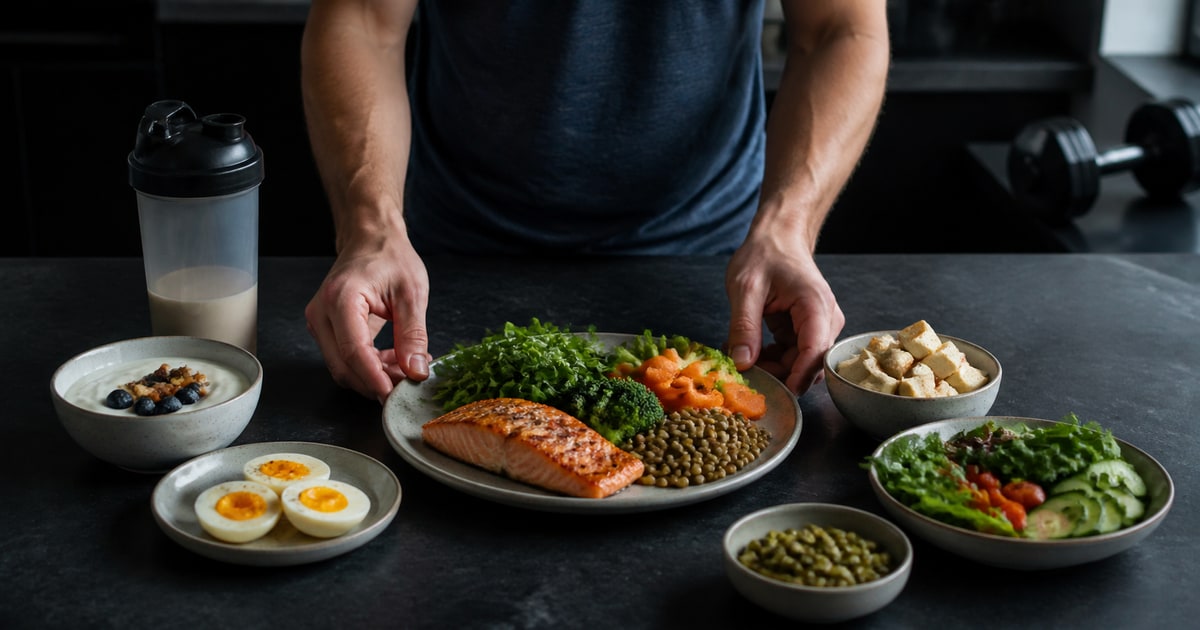
Food quality and total intake are separate questions, and both deserve attention. The NIDDK describes a maintainable eating pattern that includes vegetables, fruit, whole grains, varied protein sources, and appropriate amounts of unsaturated fats while calorie intake is reduced.
You can use those groups as a flexible meal-building prompt:
- a protein source, such as eggs, yoghurt, fish, chicken, beans, or lentils;
- vegetables, fruit, or a whole grain, such as oats or wholegrain bread;
- an unsaturated fat source, such as olive oil, avocado, or nuts, in an amount that fits the meal.
This is a pattern, not a macro prescription. Protein and fibre-rich foods can be part of balanced meals, but no single food burns fat and no food group needs to be declared permanently off-limits. A meal plan is more useful when it gives you enough flexibility to repeat it.
3. Include aerobic activity in your week
Walking, running, cycling, swimming, and dancing are all possible ways to organise aerobic activity. Choose an option that matches your current ability, access, and preferences, then build up gradually instead of making the first week the hardest.
For context, the World Health Organization’s population-level guidance recommends that adults complete 150–300 minutes of moderate aerobic activity or 75–150 minutes of vigorous activity each week. The CDC also lists at least 150 minutes of moderate activity as a general adult health target.
These figures are public-health guidelines, not a personalised fat-loss program. You might divide activity into several manageable periods across the week, but the right starting duration and intensity depend on what you can currently do. If a full session feels unrealistic, begin with a shorter period and progress gradually.
4. Keep muscle-strengthening work in the plan
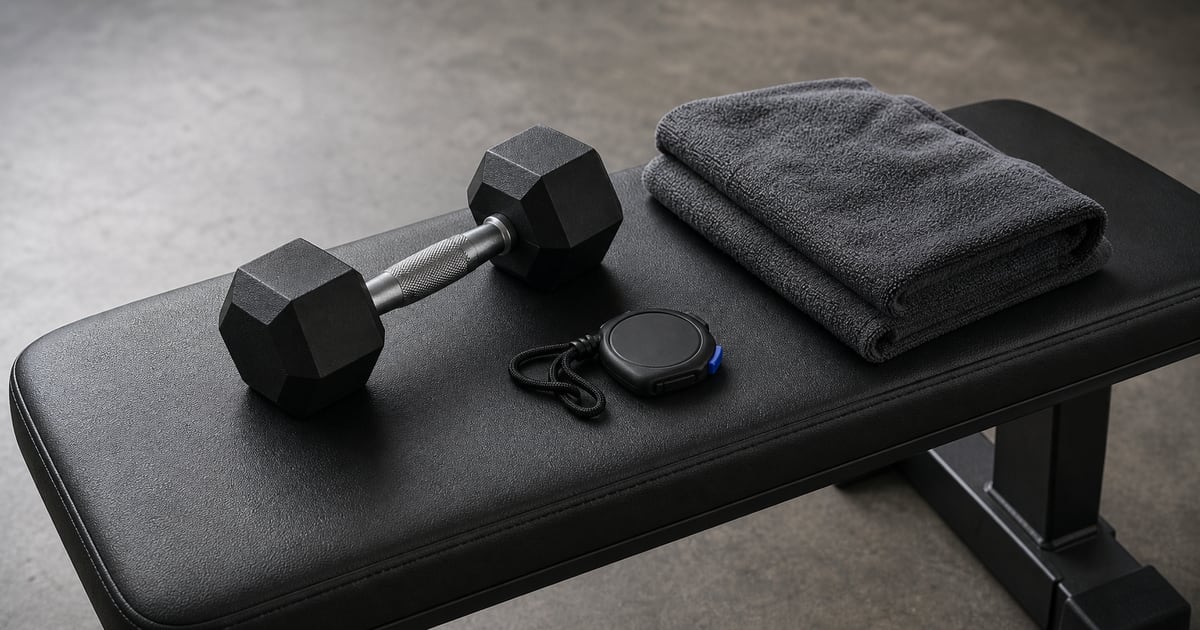
Aerobic exercise isn’t the only type of activity in adult health guidance. The WHO recommends muscle-strengthening work for the major muscle groups on at least two days per week, while the CDC presents two strength-training days as part of its general activity target.
Strength work can use bodyweight movements, resistance bands, dumbbells, or machines. If you’re new to it, choose movements and resistance you can control, and increase the challenge gradually from your current ability. The weekly guideline is still a population-level target rather than a complete program tailored to you.
If you want help turning those broad targets into training days and exercise choices, use the separate guide to build a workout plan that fits your life.
5. Add movement outside formal workouts
An active week is made from more than gym sessions. Walking for a short journey, taking the stairs, using active transport, standing up for movement breaks, or walking during a phone call all contribute to total weekly activity. The WHO emphasises that all movement counts, and the CDC includes short walks as an example of a specific, realistic change.
Pick opportunities that already exist in your day:
- walk part of a journey when practical;
- use stairs when they suit you;
- break up long periods of sitting with brief movement;
- take a short walk after a meal or during a call.
These choices can complement structured aerobic and strengthening activity. They aren’t a claim that incidental movement must replace planned exercise.
6. Treat regular sleep as part of the plan
Sleep isn’t a fat-burning technique. It is one part of a healthy weight-management routine, alongside eating habits and activity. The CDC includes sufficient sleep in its sustainable weight-loss framework, and regular sleep may make planned eating and movement habits easier to maintain.
Instead of chasing a perfect routine, protect a regular opportunity to sleep. Look at whether changing bedtimes, late commitments, or an inconsistent schedule repeatedly interfere with the habits you’ve planned. This keeps sleep in its proper role: practical support for adherence, not a promise of direct fat loss.
7. Notice calories in drinks and additions
Sugary drinks, coffee syrups, cream, and similar additions contribute to total energy intake. Both the CDC and NIDDK include drinks when discussing lower calorie intake, and the CDC gives water in place of sugary drinks as one practical example.
You don’t need to ban every drink that contains calories. Instead, notice what you drink regularly and decide whether replacing some sweetened options with water would be a manageable change. Tea or coffee can also carry extra energy when sugar, cream, or syrup is added.
No detox water or “fat-burning” drink replaces a balanced eating pattern and regular physical activity. Treat drink choices as one part of total intake, not as a separate solution.
8. Judge progress from trends, not one reading
Scale weight can change from day to day, so one reading doesn’t show the direction of progress. A long-term standardised measurement study documented ordinary day-to-day body-mass variability. Because the study followed one person, its exact values shouldn’t be applied to everyone, but it illustrates why a single measurement needs context.
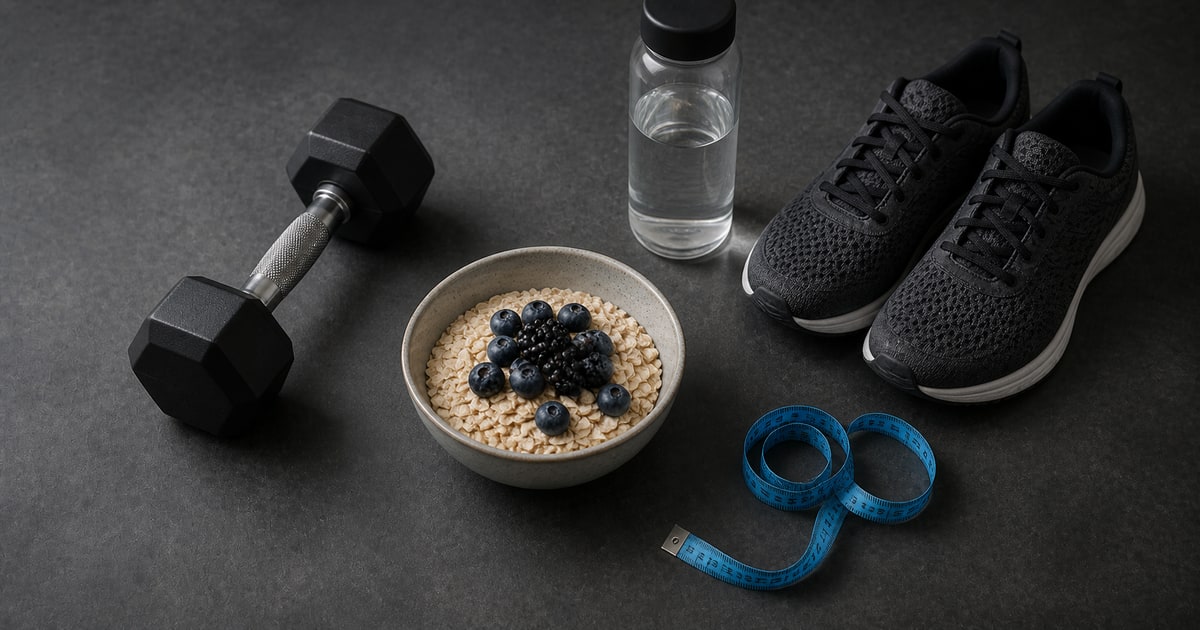
If you use a scale, compare readings taken under similar conditions and focus on the trend rather than reacting to each change. The CDC and NIDDK also support setting specific, realistic goals and reviewing progress over time.
Other repeatable checks can add context:
- completed activity and strength sessions;
- eating and sleep habits you intended to practise;
- progress toward the specific, realistic goals you’ve set.
Tracking is useful when it helps you make a measured decision. It is less useful when one scale reading leads you to discard a plan that you have barely had a chance to follow.
Common mistakes to avoid
Most quick-fix mistakes pull attention away from the same fundamentals. Watch for these patterns:
- trying to create the largest possible deficit with a crash diet;
- banning a food or food group instead of improving the overall pattern;
- treating public-health activity targets as a personalised training prescription;
- relying on formal workouts while overlooking everyday movement;
- expecting sleep, a drink, or a single food to burn fat by itself;
- changing the whole plan in response to one scale reading;
- expecting a guaranteed amount of change by a fixed date.
A steadier approach is to choose a small number of actions you can repeat, review the evidence from your own habits and progress, and adjust without turning every fluctuation into a verdict.
Know when general guidance isn’t enough
This article is general education for generally healthy adults, not an individual medical, nutrition, or exercise prescription. It doesn’t cover pregnancy, postpartum, breastfeeding, or fertility-related needs; weight management for minors; chronic conditions; medication or supplements; eating disorders or disordered eating; pain, symptoms, injury, or rehabilitation; or specialised dietary requirements. If any of those apply to you, seek guidance from an appropriately qualified doctor, registered dietitian, or other relevant health professional before starting a weight-loss plan.
Within that general-education scope, the eight strategies work best as a connected framework: manage total intake without extreme restriction, build varied meals, combine aerobic and strengthening activity, move throughout the day, protect regular sleep, notice drink calories, and review trends. Start with the changes that fit your life well enough to repeat.
Sources
- Physical Activity and Your Weight and HealthCenters for Disease Control and Prevention
- Steps for Losing WeightCenters for Disease Control and Prevention
- Eating & Physical Activity to Lose or Maintain WeightNational Institute of Diabetes and Digestive and Kidney Diseases
- Physical activityWorld Health Organization
- Day-to-day variability in euvolemic body massTaylor & Francis